top of page

Master Essential Martial Arts Training Techniques: martial arts techniques and tips.

Updated: Aug 6, 2025

Martial arts is not just about physical strength; it’s an intricate blend of discipline, technique, and a deep understanding of movement. As practitioners, whether beginners or advanced, mastering essential training techniques is fundamental for progressing in any martial art form. In this guide, we will explore effective martial arts techniques tips that enhance your skills, improve your performance, and help you understand the core pillars of martial arts training.


Martial Arts Techniques Tips


When it comes to enhancing your martial arts practice, mastering technical skills is crucial. Here are some effective techniques to help you enhance your training:


  • Breathing Techniques: Proper breathing is vital in martial arts. It not only aids in improving performance but also helps in maintaining calmness during intense sparring sessions. Remember to inhale through your nose, filling your abdomen instead of just your chest. Exhaling should be controlled, matching your movements or strikes.


  • Shadow Sparring: One of the best ways to practice without a partner is through shadow fighting. This technique allows you to refine your movement patterns and develop your rhythm. Set aside time to visualize your opponent while executing your strikes, kicks, and blocks.


  • Footwork Drills: Effective martial arts require good footwork. Engage in drills that focus on lateral movements, quick pivots, and explosive directional changes. Consider using cones or markers on the ground to improve your agility and precision.


  • Targeting Techniques: Focus on your target accuracy. Use pads, bags, or mirrors to help improve your aiming skills. This practice can greatly enhance your striking techniques and reaction times during sparring.


  • Conditioning Exercises: Develop your cardiovascular fitness and muscular strength through targeted exercises. Incorporate plyometrics, bodyweight exercises, and endurance training to build a solid foundation for your martial arts practice.


Eye-level view of a martial artist practicing techniques on a training mat
A martial artist focusing on footwork drilling techniques during training.

What are the 4 Pillars of Martial Arts?


Understanding the foundation of martial arts revolves around the four essential pillars: technique, strength, endurance, and mental focus. Let’s break these down:


  • Technique: This is the core of martial arts. It entails mastering specific movements and understanding the mechanics behind them. Practicing perfect form not only increases your efficacy but also prevents injuries.


  • Strength: Physical strength is crucial. It helps you execute techniques with power and control. Incorporate strength training into your regimen — exercises like squats, push-ups, and resistance training can build the necessary muscle groups for martial arts.


  • Endurance: Engaging in activities that build cardiovascular endurance will help sustain longer training sessions and sparring matches. Activities such as running, cycling, or high-intensity interval training (HIIT) can boost your stamina remarkably.


  • Mental Focus: The mental aspect of martial arts cannot be understated. Practitioners must maintain concentration during training and competitions. Techniques such as visualization, meditation, and mindfulness can greatly enhance your mental strength.


Two martial artists in white uniforms practice sparring in a sunlit dojo with brick walls and wooden floors, focused and determined.
Close-up of a martial arts practitioner engaging in strength training exercises.

The Importance of Sparring in Martial Arts


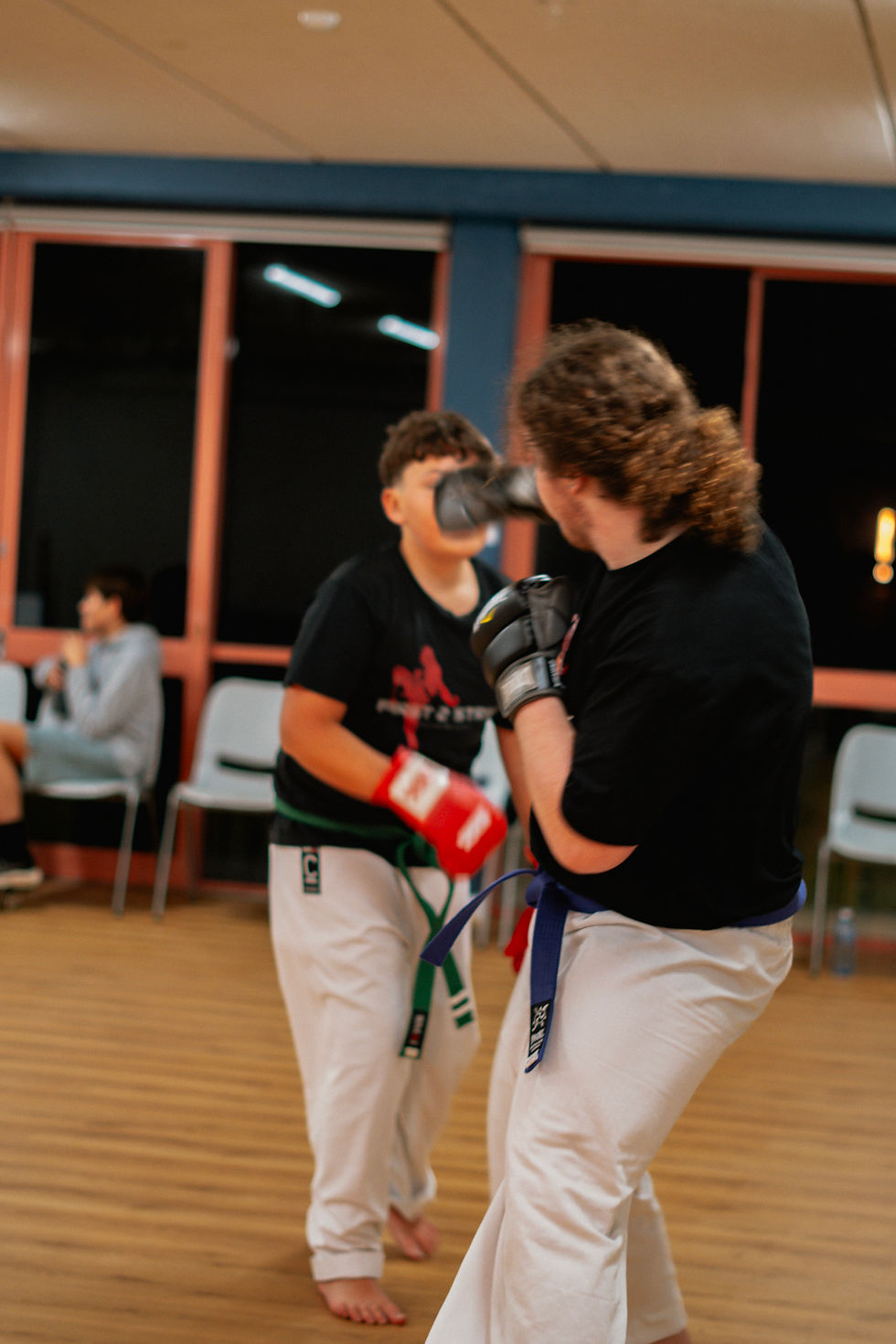
Sparring is an essential part of martial arts training. It allows you to apply the techniques you have learned in a dynamic environment. Here’s why sparring is important:


  • Realistic Application: Sparring provides a real-world scenario where you can test your skills against a live opponent. It teaches you to adapt your techniques under pressure.


  • Feedback and Adaptation: Engaging in sparring allows you to receive immediate feedback on your performance. Analyzing your sparring sessions can give you insights into areas you need to improve, such as timing, distance, and strategy.


  • Building Confidence: Regular sparring helps in alleviating the anxiety that may accompany competition. As you become more comfortable in facing opponents, your self-assurance within the martial arts realm will grow.


  • Learning from Others: Sparring with different partners exposes you to various styles and techniques. This exchange can lead to an enriched understanding of your own martial arts practice.


Incorporating Flexibility Training


Flexibility enhances your martial arts performance significantly. Improved flexibility leads to better movements and increased range of motion, reducing the risk of injury. Here are some effective ways to incorporate flexibility training into your routine:


  • Dynamic Stretching: Warm up before every training session with dynamic stretches to prepare your muscles for action. Leg swings, arm circles, and torso twists are great for increasing blood flow.


  • Static Stretching Post-Training: After a training session, take time to engage in static stretching. Hold stretches for at least 20-30 seconds to increase flexibility systematically over time.


  • Yoga and Pilates: Adding yoga or Pilates to your training regimen can dramatically enhance flexibility. These practices not only stretch your muscles but also improve core strength, breathing, and mental focus.


  • Gradual Progression: Always listen to your body. Progress slowly in your flexibility training to avoid injuries. Monitor your body response and gradually increase the intensity of your stretches.


High angle view of a participant engaged in a flexibility training session
A martial artist practicing flexibility training exercises in a serene environment.

The Role of Nutrition


Nutrition plays a vital role in your martial arts training. Fueling your body effectively can significantly impact your performance and recovery. Consider these essential dietary tips:


  • Balanced Diet: Aim for a balanced diet rich in lean proteins, whole grains, healthy fats, and plenty of fruits and vegetables. Each component supports different aspects of your training.


  • Hydration: Staying hydrated is crucial for optimal performance. Water intake should be increased before, during, and after your training sessions. Dehydration can lead to fatigue and hinder your progress.


  • Pre- and Post-Workout Meals: Focus on pre-workout meals that provide energy, such as complex carbs and protein. After training, consume meals high in protein to aid muscle recovery.


  • Supplements: Although whole foods should be your primary nutrient source, supplements like protein powders, vitamins, and omega-3s can support your training when used correctly.


As you embark on your martial arts journey, remember to mix these essential training techniques, nutrition tips, and foundational pillars into your routine. This holistic approach will not only elevate your martial arts skills but also contribute to your overall well-being.


For further guidance, check out valuable martial arts training tips that can help refine your practice.


Wide angle view of a healthy meal prepared for a martial artist
A nutritious meal showcasing balanced food choices for a martial artist's diet.

🌍 An Invitation to Your Martial Arts Journey


Are you ready to start your journey? Join us for the Martial Arts Classes in Wollongong at First 2 Strike Freestyle Martial Arts.


📍 Location: Wollongong

🌐 Website: www.first2strike.com  

📱 Follow us on Socials:

Click the link to book your free trial class today and embark on your journey from conflict to confidence. We can’t wait to welcome you to the mats! https://www.first2strike.com/freetrial

A logo with "First 2 Strike" and "Freestyle Martial Arts" text encircles a red fist and bold letters "FS" on a white background.
First 2 Strike Freestyle Martial Arts


Comments


© 2025 first2strike.com All Rights Reserved. | First 2 Strike Freestyle Martial Arts

  • Youtube
  • Instagram
  • Facebook
  • TikTok
bottom of page